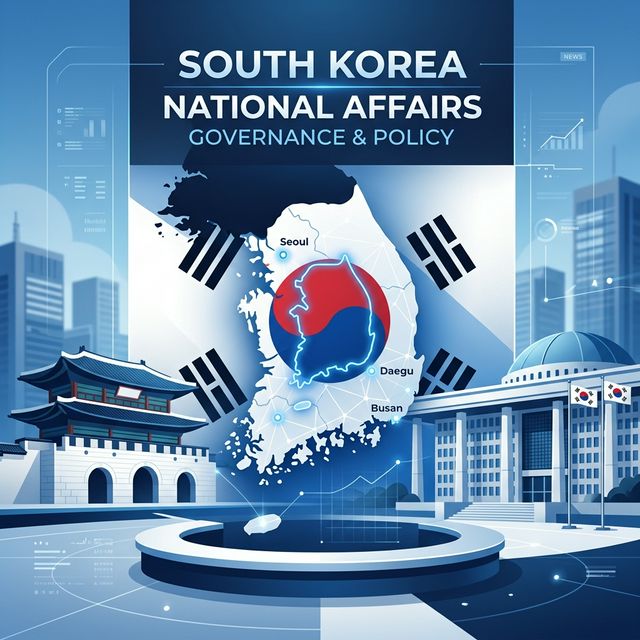
Gwanghwamun Square, A Portrait of Seoul Amid Conflicting Views: 'Present Arms' Controversy and 'Garden of Gratitude' Diplomacy
[Background]
Gwanghwamun Square is a space with diverse historical meanings. It was a political center during the Joseon Dynasty and has served as a symbolic site for democratization movements in modern history. In this historical context, Gwanghwamun Square is regarded as a 'place of memory' that embodies the spirit of the times and social values, beyond being a simple public space. Therefore, what kind of sculptures are installed in Gwanghwamun Square and how the space is utilized are not just urban planning issues, but matters that require consensus and empathy among members of society. In particular, the installation of sculptures that symbolize specific historical events or ideologies, such as the 'Present Arms' sculpture, can spark controversy and deepen social conflict, requiring a cautious approach. In the past, the Gwanghwamun Square redevelopment project was criticized for being hastily 추진 without gathering diverse opinions from citizens, causing social controversy. This past experience suggests how important it is to ensure transparency and fairness in the decision-making process related to Gwanghwamun Square and to expand citizen participation.
[Current Situation]
'Present Arms' Sculpture Installation Proceeding: The 'Present Arms' sculpture in Gwanghwamun Square, which has been the subject of ongoing controversy, is finally scheduled to be completed within April. Even with the Ministry of Land, Infrastructure and Transport stepping back, the Seoul Metropolitan Government is pushing ahead with the construction and is in the final stages. Although information on the specific design or scale of the sculpture has not yet been released, some criticize that the sculpture glorifies a specific military culture and does not align with the historical meaning of the square. Civic groups opposing the installation of the sculpture are reportedly protesting the Seoul Metropolitan Government's unilateral decision and considering legal action.
'Garden of Gratitude' Diplomacy: Seoul Mayor Oh Se-hoon held a meeting with the diplomatic corps of stone-donating countries regarding the creation of the 'Garden of Gratitude.' In particular, he is focusing on securing diplomatic support for the creation of the 'Garden of Gratitude,' including receiving a section of the Berlin Wall. The 'Garden of Gratitude' is a space created to express gratitude to countries that have helped Korea in the past, and the Seoul Metropolitan Government has resumed construction with the goal of completing it in May. However, the creation of the 'Garden of Gratitude' is also reminiscent of the behavior of past dictatorial regimes, and criticisms of wasting taxpayers' money continue.
Conflicting Public Opinion: Public opinion on the installation of the 'Present Arms' sculpture and the creation of the 'Garden of Gratitude' is sharply divided. Conservative citizens argue that the 'Present Arms' sculpture will promote national security awareness and that the 'Garden of Gratitude' will contribute to promoting friendly relations with the international community, while progressive citizens criticize that both projects are anachronistic ideas and could undermine the public nature of the square. In particular, the younger generation criticizes that the 'Present Arms' sculpture stimulates nostalgia for military culture and that the 'Garden of Gratitude' is replicating outdated diplomatic methods.
[Multi-faceted Analysis]
Political Implications: The installation of the 'Present Arms' sculpture and the creation of the 'Garden of Gratitude' can be interpreted as symbolic events that reveal Mayor Oh Se-hoon's political orientation. The 'Present Arms' sculpture is intended to induce the consolidation of conservative supporters, and the 'Garden of Gratitude' is intended to showcase diplomatic achievements and strengthen his leadership. However, these moves are likely to act as a political burden in that they can provoke opposition from progressive citizens and the younger generation and deepen social conflict.
Social Impact: Gwanghwamun Square is a public space used together by various members of society. Therefore, the installation of sculptures with specific ideologies or values in the square should be carefully decided through social consensus. The installation of controversial sculptures such as the 'Present Arms' sculpture can deepen social conflict and undermine the public nature of the square. In addition, the creation of the 'Garden of Gratitude' can also cause social backlash if it does not gain public sympathy, along with criticism of wasting taxpayers' money.
Expert Opinion: Urban planning experts emphasize that Gwanghwamun Square should be created by gathering the opinions of various citizens and through social consensus. The installation of sculptures that force specific ideologies or values can undermine the public nature of the square and deepen social conflict. In addition, diplomatic experts point out that it is important to build balanced diplomatic relations based on mutual respect and understanding, rather than unilateral expressions of gratitude such as the 'Garden of Gratitude.'
[Future Prospects]
Deepening Social Conflict: The installation of the 'Present Arms' sculpture and the creation of the 'Garden of Gratitude' are expected to remain at the center of social debate in the future. In particular, legal responses and protests from civic groups opposing the installation of the sculpture are expected, and controversy over the waste of taxpayers' money for the creation of the 'Garden of Gratitude' is also expected to continue. This social conflict could weaken Mayor Oh Se-hoon's political position and create difficulties in the Seoul Metropolitan Government's policy 추진.
The Future of the Square: Gwanghwamun Square is likely to remain a space where various social values and ideologies clash in the future. The Seoul Metropolitan Government must strive to restore the public nature of the square and create the square based on social consensus. The future of the square should be decided by actively gathering the opinions of citizens and through a transparent and fair decision-making process.
Points to Note:
* Citizens' opposition to the installation of the 'Present Arms' sculpture and legal response
* Whether the controversy over the waste of taxpayers' money for the creation of the 'Garden of Gratitude' will continue
* The Seoul Metropolitan Government's efforts to restore the public nature of Gwanghwamun Square
* Possibility of creating a square based on social consensus
AI's Cold Prediction: Gwanghwamun Square will continue to be a place of constant debate and conflict. Imposing uniform values will provoke greater backlash, and policies without genuine communication and empathy are bound to fail. The Seoul Metropolitan Government should learn from past failures, respect the diverse opinions of citizens, and decide the future of the square through social consensus.