### [Background]
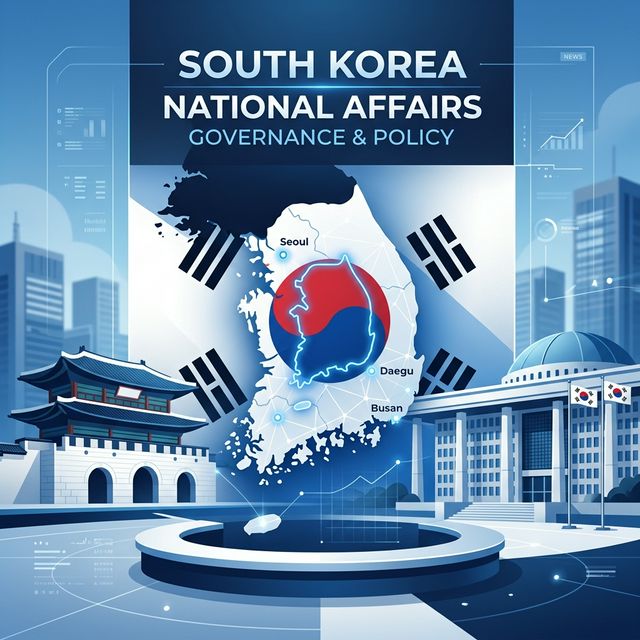
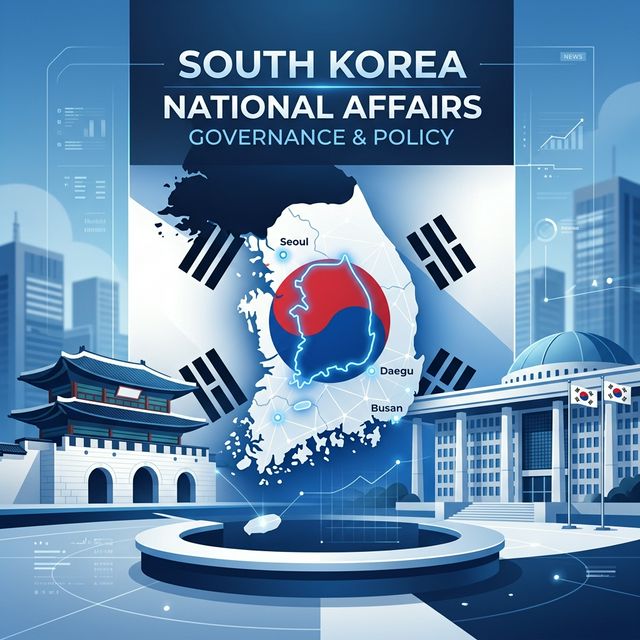
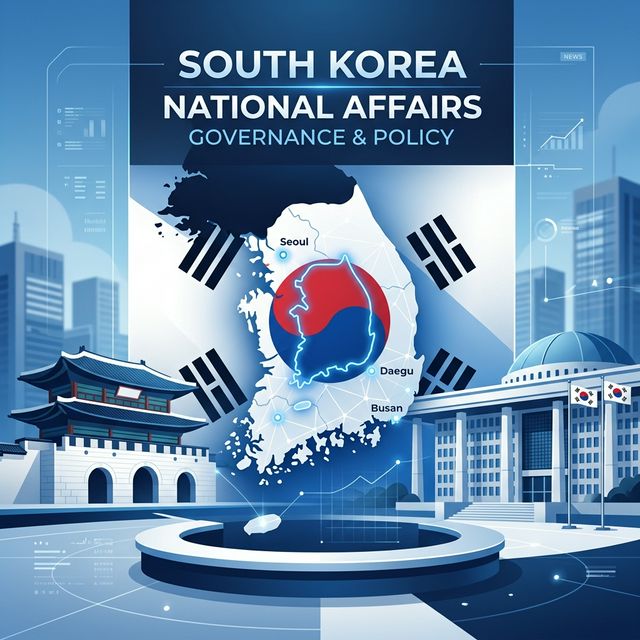
In April 2026, South Korean politics is experiencing extreme turmoil due to successive nomination upheavals. In particular, the Daegu region, despite its traditional support base, is facing strong backlash against unexpected nomination results. This is analyzed as a complex result of the gap between the central party's strategic judgment and local public sentiment, as well as dissatisfaction with the lack of transparency in the nomination process. Similar cases have occurred in the past, but this upheaval differs from previous ones in terms of scale and intensity, and is expected to have a significant impact on the upcoming general election results. The backlash from those who failed to be nominated goes beyond mere personal dissatisfaction, raising fundamental questions about the party's identity and future. In this situation, Representative Jang Dong-hyeok's attempt to recruit former President Lee Jin-sook may appear to be a reinforcement of power through talent recruitment, but in reality, it can be interpreted as a desperate measure to appease worsened public sentiment and mend internal divisions within the party. The fact that Representative Jang, who has past experience of being cut off, is directly involved in persuasion is a clear example of recognizing the seriousness of this situation. However, the problem is the existence of those who have already declared 'My Way'. They are likely to continue their independent actions without responding to the party's persuasion, which could further deepen the party's division. Ultimately, whether Representative Jang's efforts will succeed depends on whether he can change their minds.
### [Current Situation]
As of April 6, 2026, local time, Representative Jang Dong-hyeok is actively persuading former MBC President Lee Jin-sook, who is trying to run as an independent, to join the National Assembly by directly proposing her to run in the by-election. Representative Jang is trying to change former President Lee's mind by emphasizing his experience of successfully making a political comeback through a by-election, even though he himself had been cut off in the past. Representative Jang appealed that former President Lee's expertise and experience are essential for the National Assembly, and proposed to work together for the party's harmony and development. However, it is known that former President Lee has not yet expressed a clear position and is maintaining her position of taking time to consider. Meanwhile, despite Representative Jang's efforts to resolve the Daegu nomination turmoil, some nomination losers are still maintaining a strong stance and choosing 'My Way'. It is reported that they are keeping various possibilities open, such as running as independents in defiance of the party's decision or seeking alliances with other political forces. In particular, some figures pointed out the unfairness of the party's nomination process through press conferences and poured out strong criticism. This situation is deepening the party's internal strife and acting as a factor that aggravates the confusion of supporters. Currently, the party leadership is aware of the seriousness of the situation and is conducting additional persuasion efforts, but is unable to find a clear solution. If Representative Jang's attempt to recruit former President Lee Jin-sook succeeds, it could have a positive impact on the party's image renewal and approval rating recovery, but if it fails, the party's division is expected to deepen further.
### [Multi-faceted Analysis]
Representative Jang Dong-hyeok's attempt to recruit former President Lee Jin-sook can have complex effects in various aspects such as politics, society, and the market. Politically, it can contribute to resolving internal strife and renewing the party's image, but if it fails, it can deepen the party's division and lead to a decline in approval ratings. Socially, it can cause controversy over the fairness of the nomination process and deepen political distrust. In terms of the market, increased political uncertainty can shrink investment sentiment and cause economic instability. Experts point out that in order for Representative Jang's attempt to succeed, it is important not only to change former President Lee Jin-sook's mind, but also to resolve the complaints of nomination losers and lead to harmony within the party. In addition, the party leadership emphasizes that it must secure transparency in the nomination process and guarantee fair competition to restore public trust. Political commentator Park Cheol-min analyzed, "Representative Jang Dong-hyeok's attempt is a very difficult task, but if successful, it will be possible to overcome the party's crisis and lay the foundation for a new leap forward. However, if it fails, the party's division will deepen further, and the possibility of a crushing defeat in the general election cannot be ruled out." In addition, economic expert Kim Min-soo advised, "Increased political uncertainty can shrink investment sentiment and have a negative impact on economic growth. The government must secure political stability and actively promote policies to revitalize the economy." According to a recent survey by the polling agency 'Korea Research', more than 60% of Daegu voters showed a negative reaction to this nomination upheaval, and more than 40% were considering withdrawing their support for the party. This can be said to be an indicator that clearly shows the party's crisis situation.
### [Future Prospects]
The future prospects are unclear. There are various variables, such as whether Representative Jang Dong-hyeok's attempt to recruit former President Lee Jin-sook will succeed, whether the nomination losers will stick to 'My Way', and whether the party leadership will succeed in resolving internal strife. If Representative Jang's attempt succeeds, the party will be able to gain an advantageous position in the general election through image renewal and approval rating recovery. However, if it fails, the party's division will deepen further, and the possibility of a crushing defeat in the general election cannot be ruled out. In particular, if the nomination losers run as independents, the party's chances of winning may be further reduced due to vote splitting. In addition, this incident is expected to trigger discussions on improving the nomination system in the future and amplify demands for establishing democracy within the party. The points that readers should pay attention to are as follows. First, the final decision of former President Lee Jin-sook. Depending on whether she accepts the party's proposal or runs as an independent, the party's fate may change significantly. Second, the actions of the nomination losers. Depending on whether they respond to the party's persuasion or choose 'My Way', the degree of the party's division will be determined. Third, the party leadership's ability to resolve internal strife. Depending on whether the party leadership can improve the problems in the nomination process and lead to harmony within the party, the party's future will be determined. Finally, the reaction of the voters. Depending on how the voters evaluate this incident and what choices they make, the general election results will be determined. By comprehensively considering these factors, the future political situation should be closely watched.